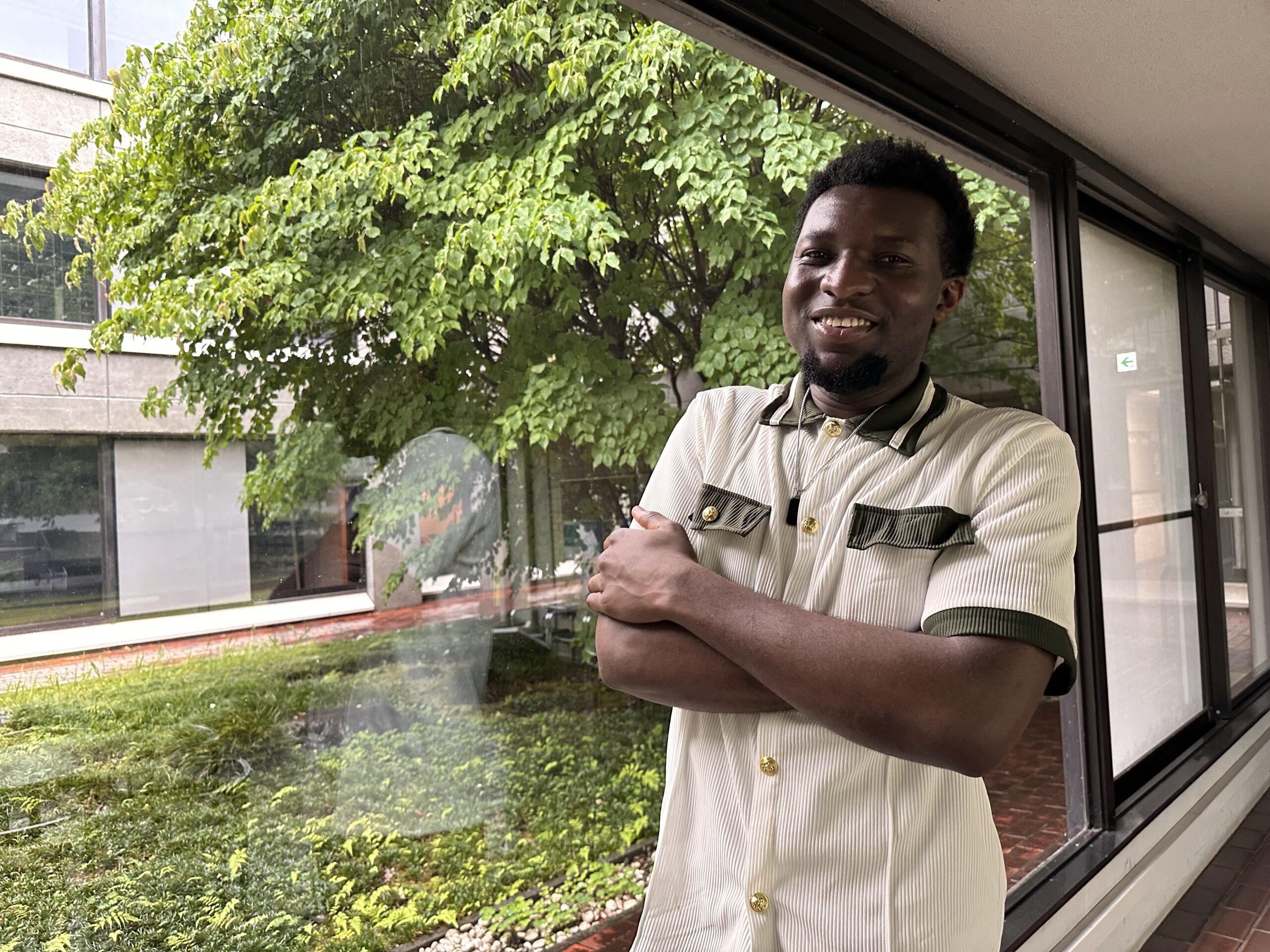
SDG Projects Spotlight: Mohammed Nchota Chetgoh
JICUF SDG Project Spotlight: Mohammed Nchota Chetgoh
“Clean Water and Good Health for a Brighter Future” -Project Reflection & Future Outlook
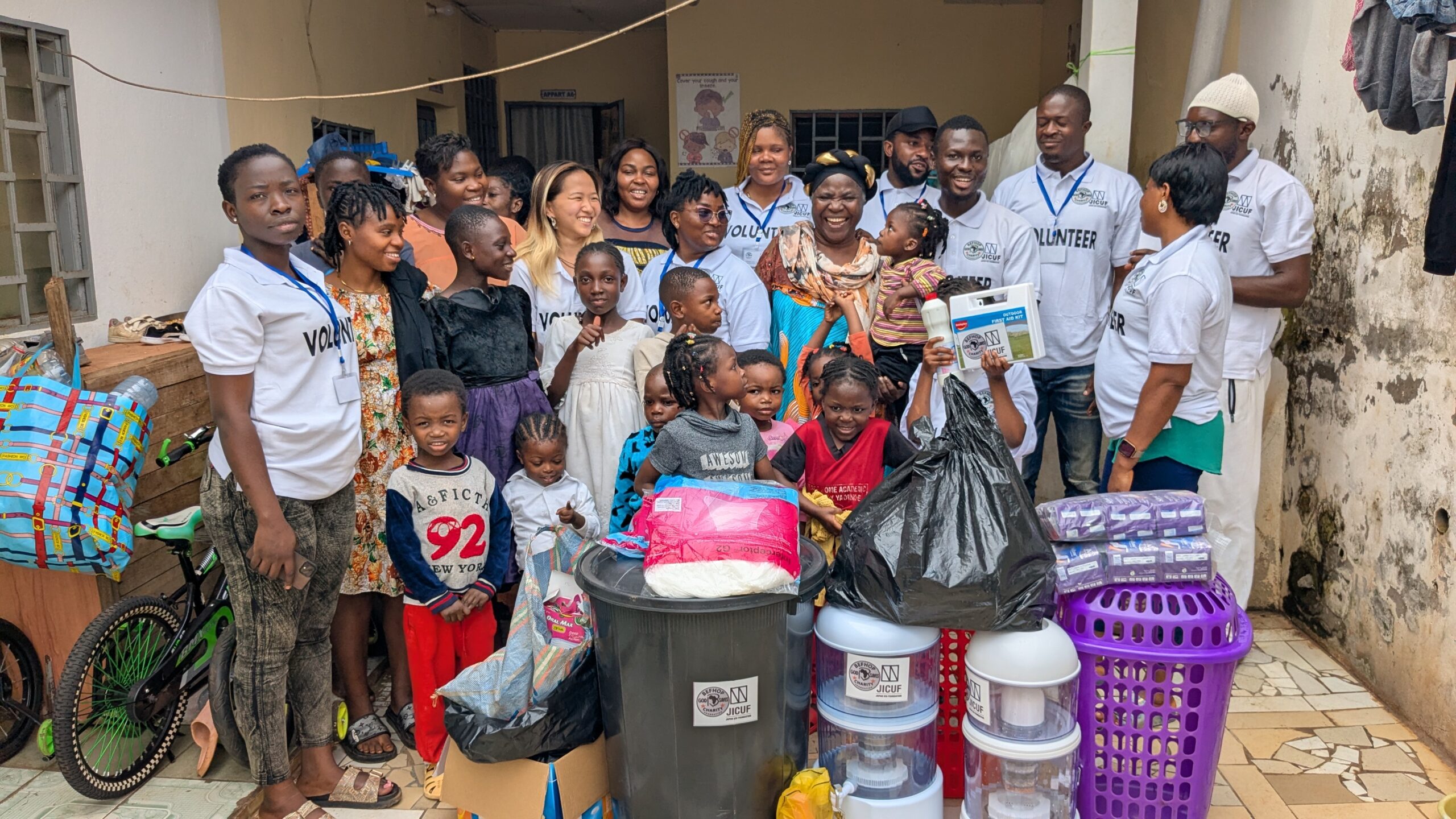
Mohammed Nchota Chetgoh, a recipient of the Spring 2025 SDG Project Grant, is an international student from Cameroon. His project aims to improve the living conditions of children residing in two orphanages in his hometown of Yaoundé, Cameroon: Centre des Handicapés Etoug Ebe and Sainte Rita OP. Through initiatives such as installing water purification filters and providing education on environmental hygiene, Mohammed works to create a healthier and safer environment for the children. Last summer, Mohammed traveled to Cameroon to implement his project. We asked him to share his experiences and reflections on the journey.
JICUF: Please briefly explain the background of this project concept.
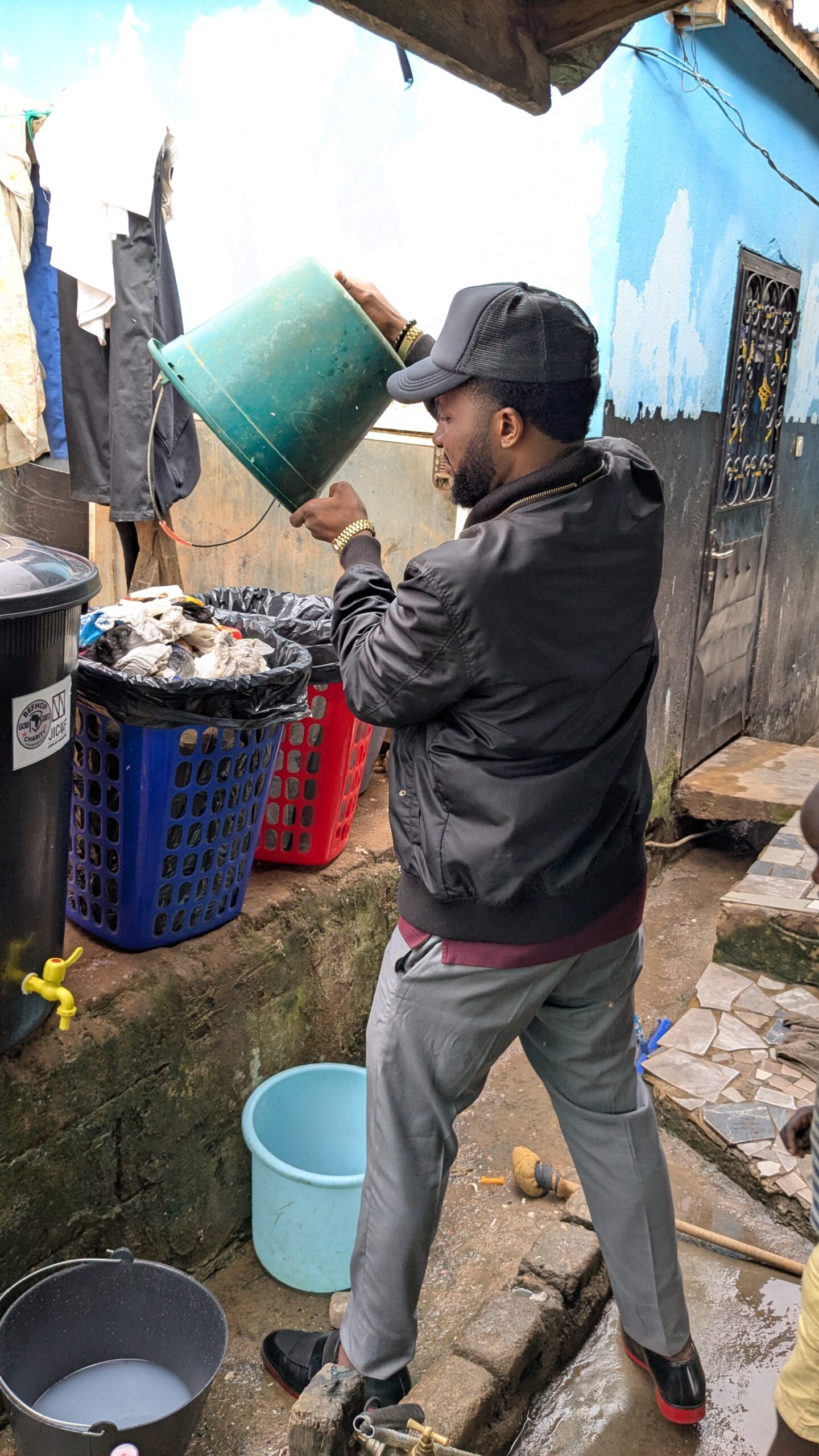
Mohammed: The ideas for the project originated from a recognition of the severe health situation faced by orphaned children in Yaoundé, Cameroon. Many of these children are victims of the Anglophone crisis (since 2017) or have been abandoned due to extreme poverty. In collaboration with the Befhop Charity Foundation (BCF), we identified that preventable waterborne diseases (cholera, typhoid) and malaria are the primary threats to their well-being. This project was designed to move beyond temporary aid by providing sustainable infrastructure, such as water filters and reusable hygiene products, combined with long-term health education.
JICUF: Did the project proceed as planned when applying for the grant? What challenges did you face?
Mohammed: While the main objectives remained consistent, the primary challenge was logistical coordination within Yaoundé. Specifically, identifying high-quality, cost-effective vendors for water filters took longer than initially anticipated. We also had to adapt our educational materials to account for linguistic diversity, ensuring that health sessions were accessible in French, English, and Pidgin English. These challenges highlighted the necessity of our strong partnership with BCF, whose local expertise enabled us to navigate them effectively.
JICUF: What was the most memorable thing about your fieldwork?
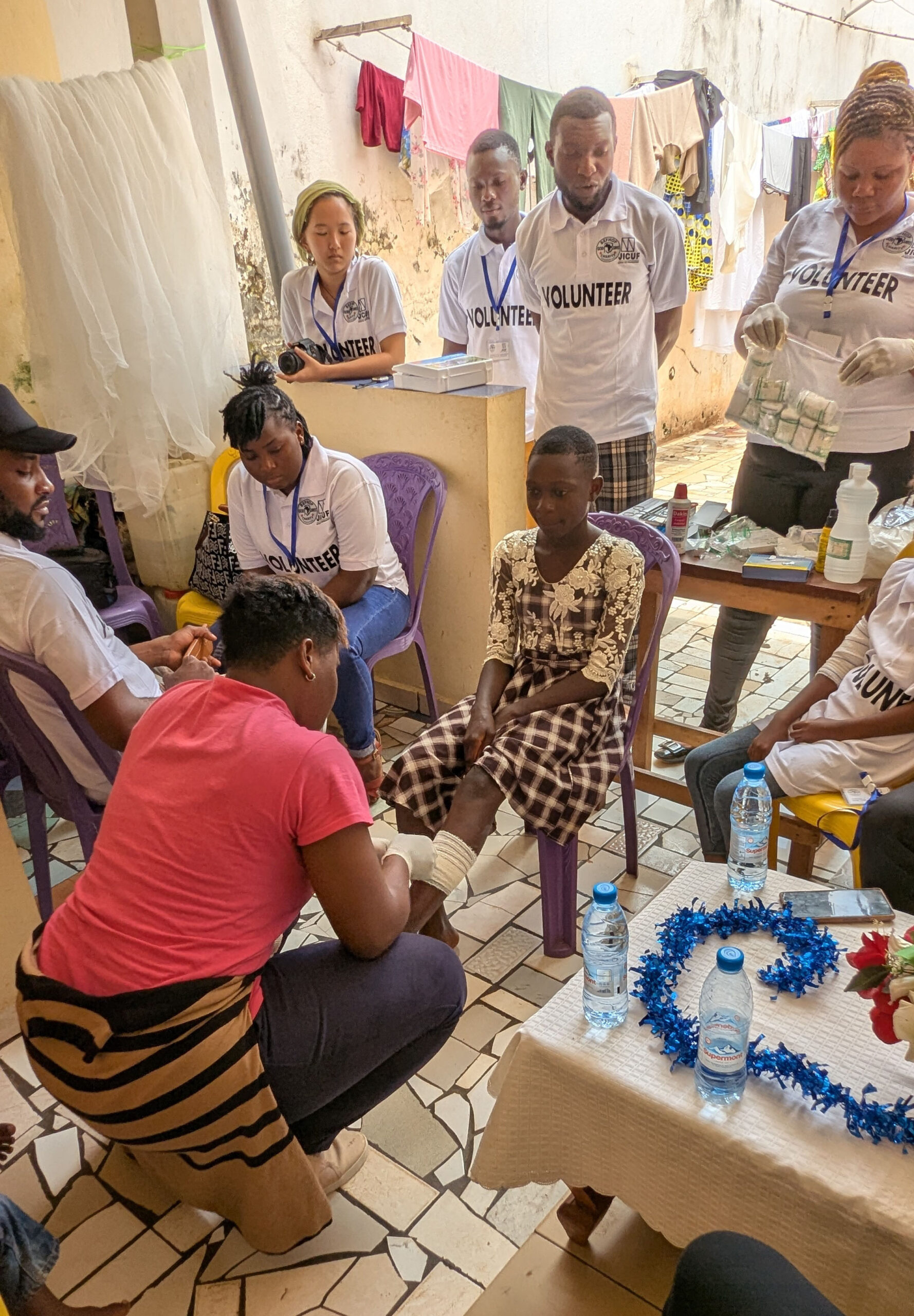
Mohammed: The most memorable moment was the interactive health education and training sessions on water filter maintenance. Seeing the older children and caregivers take ownership of the knowledge, which led to a transition from uncertainty to confidence, was incredibly moving. It also shifted the dynamic from “recipients of aid” to “stewards of their own health.” Additionally, the distribution of pads for the teenage girls opened up vital, supportive conversations about menstrual hygiene that are often stigmatized, creating a visible sense of relief and empowerment among the girls.
JICUF: What did you gain and learn from this project?
Mohammed: I learned that sustainable change is 20% equipment and 80% community engagement. Providing a filter is useless if there isn’t a culture of maintenance and hygiene to support it. Professionally, I gained experience in international project management, budget accountability, and cross-cultural communication. Personally, I learned the importance of “listening first” and understanding the specific daily routines of the caregivers, especially at Centre des Handicapés which was the only way to ensure our interventions wouldn’t disrupt their existing support systems.
JICUF: What is your next goal?
Mohammed: My next goal is to establish a long-term monitoring framework to track the health data from these two orphanages over the next 12 months. I want to see if the reduction in waterborne disease incidence is sustained. Furthermore, I hope to scale this model to other vulnerable centers in the region, using the success of this JICUF-funded project as a “proof of concept” to secure further partnerships and ensure that clean water and basic health education become a standard, not a luxury, for all displaced children in Cameroon.
Thank you for sharing the project’s results along with photos from Cameroon. We understand you plan to continue the project—best of luck with your future efforts!