
A December Visit to Japan: Reflections on Impact, Community and Partnership
In early December, I traveled to Japan for a ten-day visit to International Christian University (ICU), with additional meetings in Tokyo and Tochigi Prefecture. The purpose of the visit was to strengthen relationships across the ICU community and to deepen JICUF’s longstanding partnership with the university.
Throughout my time on campus, I met with students, faculty, staff, and members of ICU’s leadership. These conversations—both formal and informal—created space to reflect together on the values that undergird both ICU and JICUF: a shared commitment to liberal arts education, thoughtful engagement with the world, and the belief that learning carries with it a responsibility to contribute to the common good. One especially meaningful conversation with ICU President Shoichiro Iwakiri focused on these shared values and on the enduring purpose of the partnership between our two institutions.
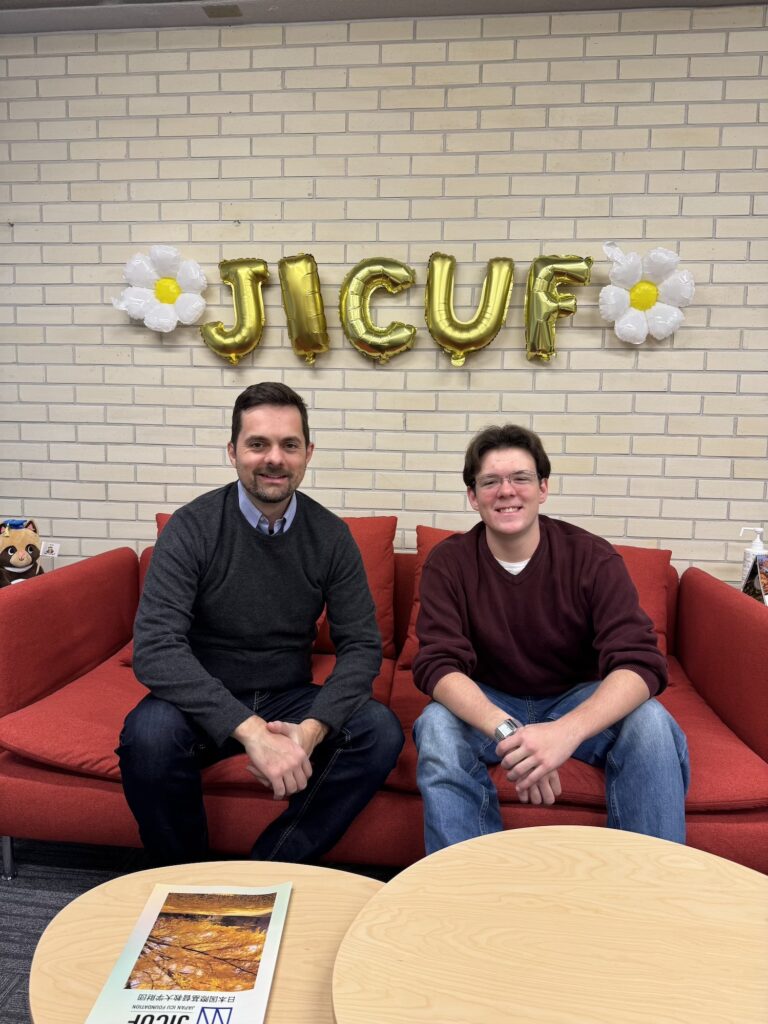
Much of my time at ICU was spent listening to students and learning how JICUF-supported programs are experienced in their daily lives. Early in the visit, I met with Wyatt Howard, a first-year student from Lexington, Kentucky and a Nelson Ranch Scholar at ICU. He spoke enthusiastically about life in the Maple House dormitory, joining the rugby team, studying Japanese, and finding community through campus fellowship groups. Our conversation was a vivid reminder of how transformative the ICU experience can be when students are encouraged to fully immerse themselves in campus life.
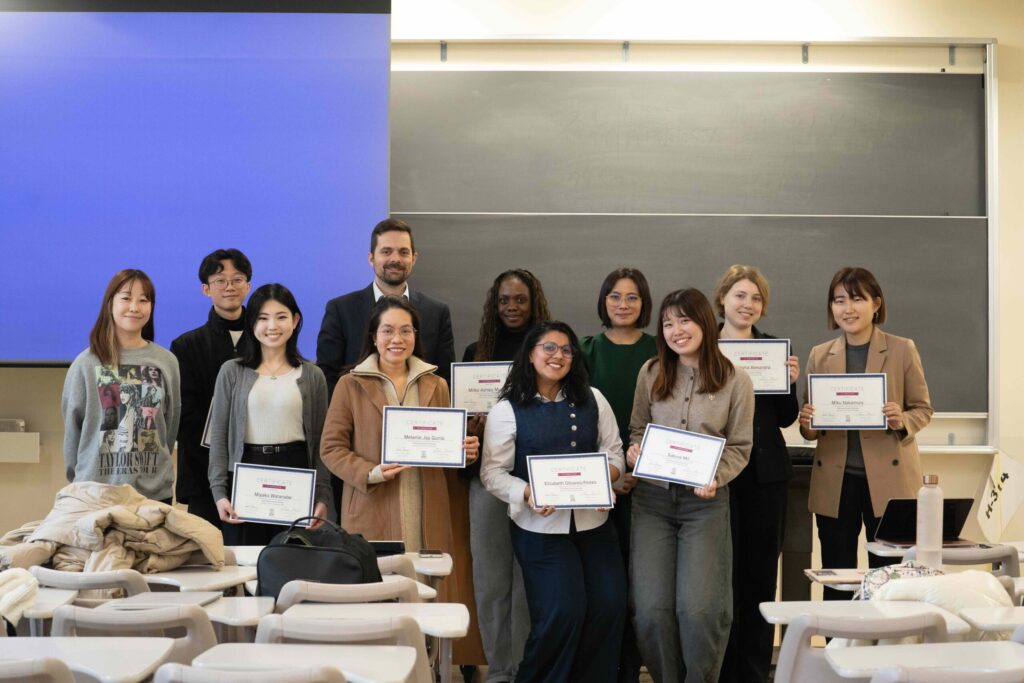
Another highlight of the visit was hearing directly from students involved in JICUF programs. I attended two Othmer Research Fellowship presentation sessions, where students shared the results of their summer research across a wide range of disciplines. Watching them present their work with confidence—and then gather together afterward for photos and conversation—made tangible the impact of supporting undergraduate research at ICU. Near the end of the visit, a community reception brought together more than 70 students and faculty connected to JICUF programs, offering a rare opportunity for people from different initiatives to meet one another and recognize themselves as part of a broader shared community.
I also spent time with the JICUF Japan Office, which continues to grow as a visible and welcoming presence on campus. Conversations with Program Manager Hideko Matsuyama and the student ambassadors highlighted how the office has become not only a center for program coordination, but also a space for student leadership, experimentation, and informal exchange. Seeing student ambassadors take the lead in shaping activities reinforced for me how trust and responsibility can foster growth.
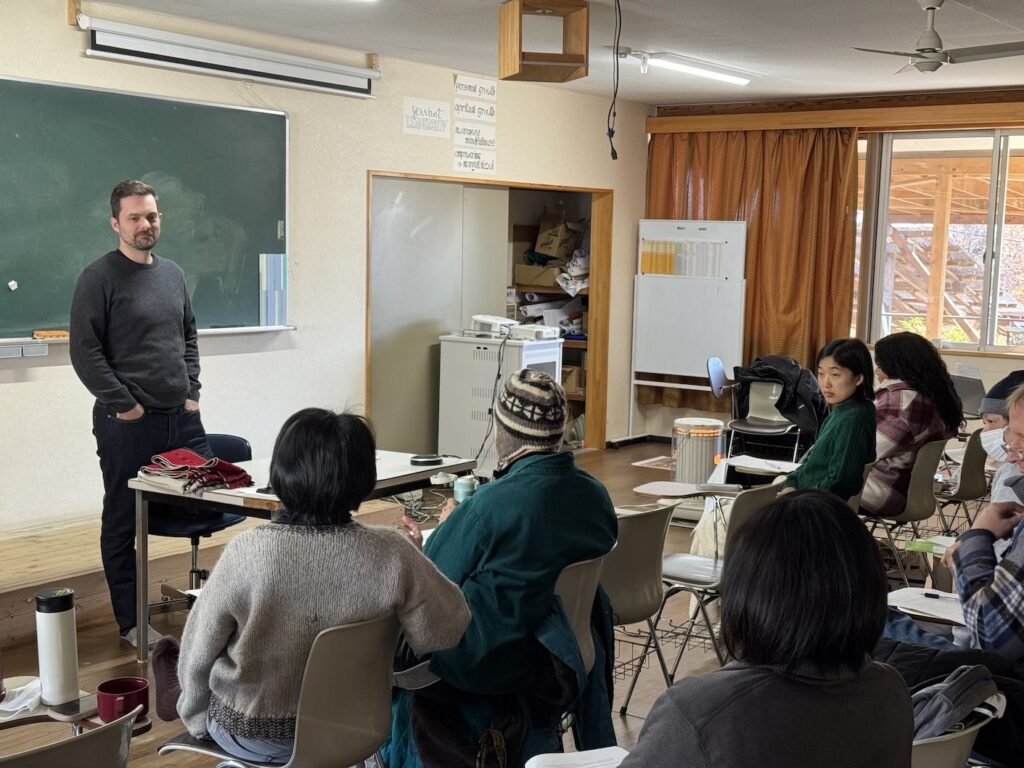
Beyond ICU, my visit included time with longtime partners and friends. A trip to the Asian Rural Institute (ARI) in Tochigi provided an opportunity to speak with staff about refugee education and to reflect on the many points of connection between ARI, ICU, and JICUF—from farming and sustainability to leadership and community building. In Tokyo, I met with alumni, civil society leaders, and philanthropic partners, and held conversations that further underscored the breadth of people who share our values and are eager to contribute in meaningful ways.
This visit was an important opportunity to reaffirm JICUF’s close partnership with ICU and to explore how, together, we can make a bigger impact on Japan and the world. I returned from Japan with a strong sense of connection and momentum, grounded in conversations with people who care deeply about education, community, and the responsibilities that come with a global outlook.
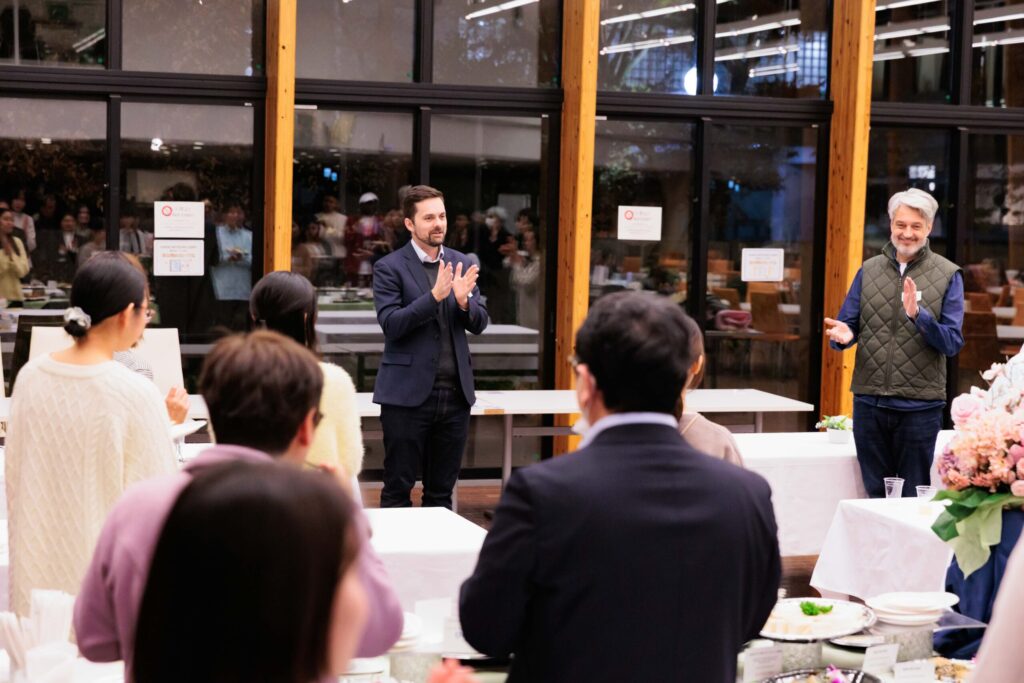
Paul speaking at the JICUF reception


