
Nurturing Global Citizens: The Dwight Clark Cross-Cultural Program at ICU
“The dogmas of the quiet past are inadequate to the stormy present. The occasion is piled high with difficulty, and we must rise with the occasion. As our case is new, so we must think anew, and act anew.”
– Abraham Lincoln, Annual Message to Congress, December 1, 1862
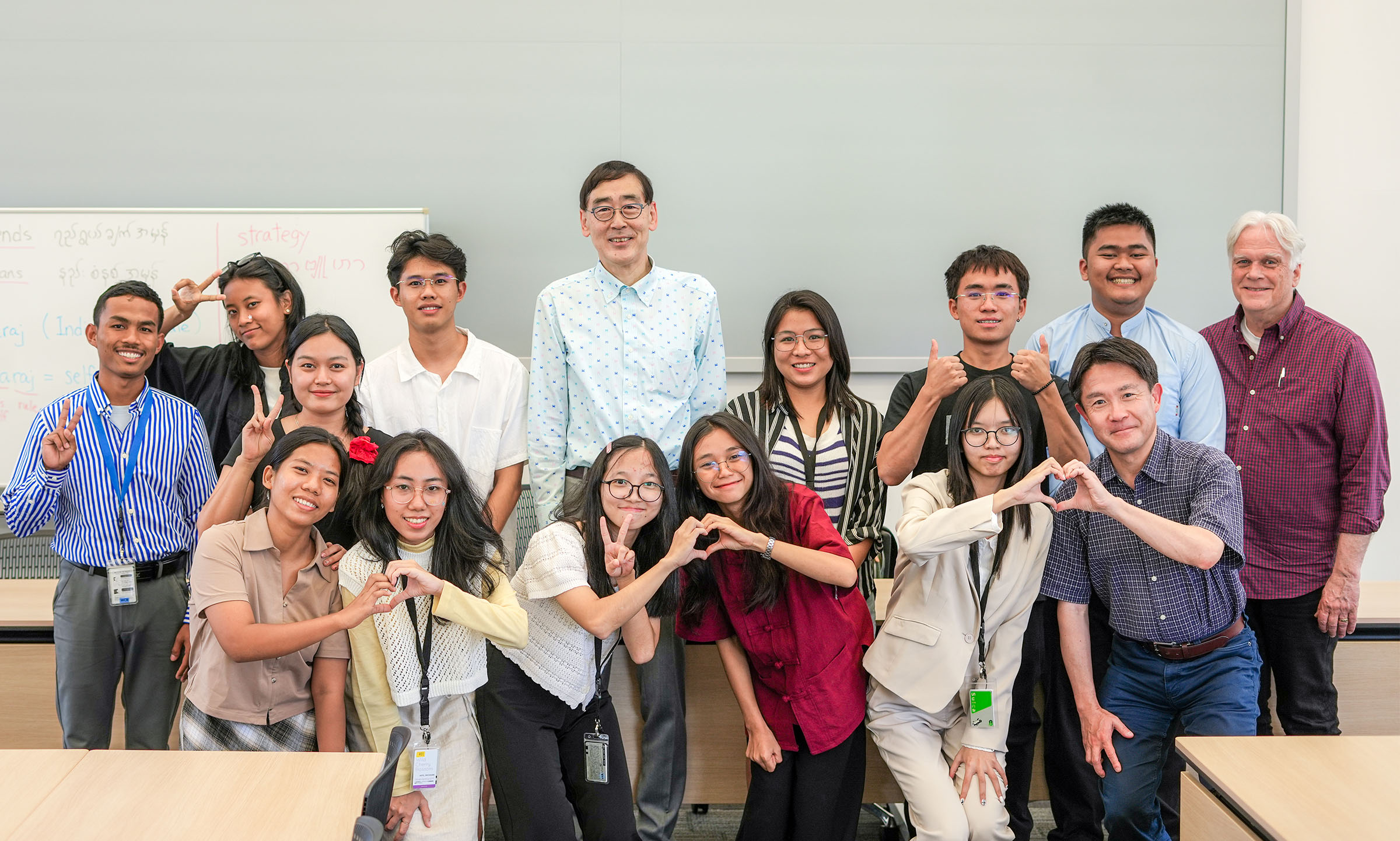
From May 24 to June 5, 2026, twelve students from Parami University in Myanmar traveled to Japan to participate in the Dwight Clark Cross-Cultural Program at ICU. Made possible through a partnership between JICUF, Parami University, ICU, and Volunteers in Asia (VIA), the program brought together students, educators, and community leaders for nearly two weeks of learning, dialogue, and reflection.
On the surface, the program was an opportunity for students from Myanmar to experience Japan firsthand. At its heart, however, the Dwight Clark Cross-Cultural Program is about something much larger. It is about nurturing the next generation of global citizens. Through meaningful interactions with students and faculty at ICU, engagement with Japanese society, and conversations with leaders from diverse sectors, participants were challenged to think deeply about citizenship, responsibility, and what it means to contribute to the common good.
Education in Times of Uncertainty
Our partnership with Parami University is rooted in a striking historical parallel. When JICUF helped to found ICU in 1949, Japan was still emerging from the devastation of World War II. The university’s founders envisioned an institution dedicated to peace, reconciliation, international understanding, and service to humanity. When the first students matriculated in 1953, many arrived on campus with a profound sense of purpose. Having lived through a period of conflict and upheaval, they believed that education could play a vital role in rebuilding society and creating a more peaceful and just world.
More than seventy years later, students at Parami University find themselves navigating a different but equally uncertain era. Myanmar continues to face profound political, economic, and social challenges, yet Parami students pursue learning with determination and hope. Like ICU’s earliest generations, they are motivated by a desire to contribute to the future of their communities and country.
Throughout the exchange, I was struck by the resilience, curiosity, intelligence, and sense of purpose demonstrated by the visiting students. While separated by generations, the students of Parami and ICU’s early students share a common conviction that education carries with it a responsibility to rebuild and reconcile their respective war-torn lands.
Photo by Kyoka Horiuchi (right)
Learning in a Time of Global Change
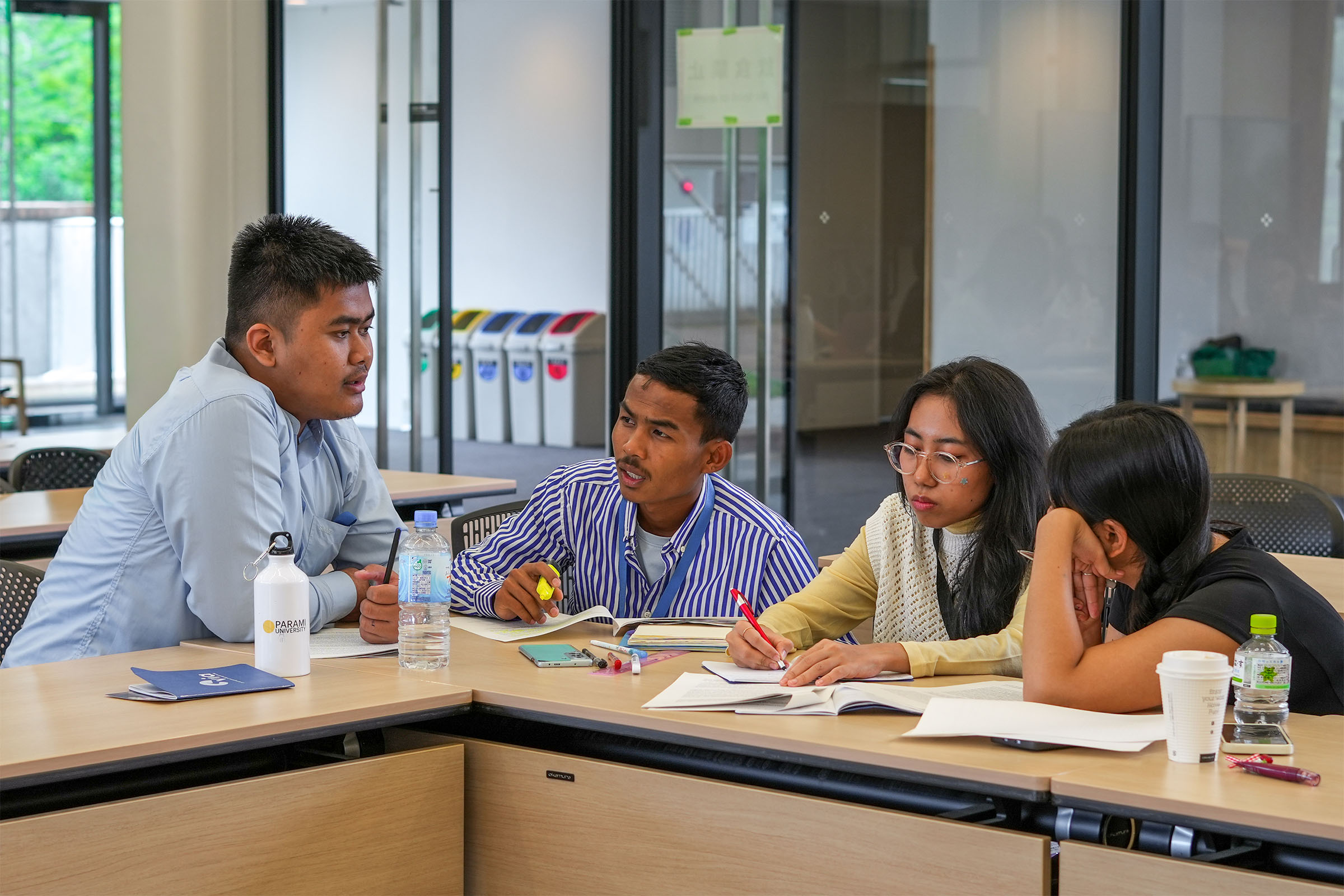
During the program, participants explored some of the defining issues of our time. Through lectures, discussions, and meetings with practitioners, they engaged in questions related to democracy, education, civil-military relations, peacebuilding, community belonging, migration, reconciliation, and the changing international order. Photos by Kyoka Horiuchi (below)
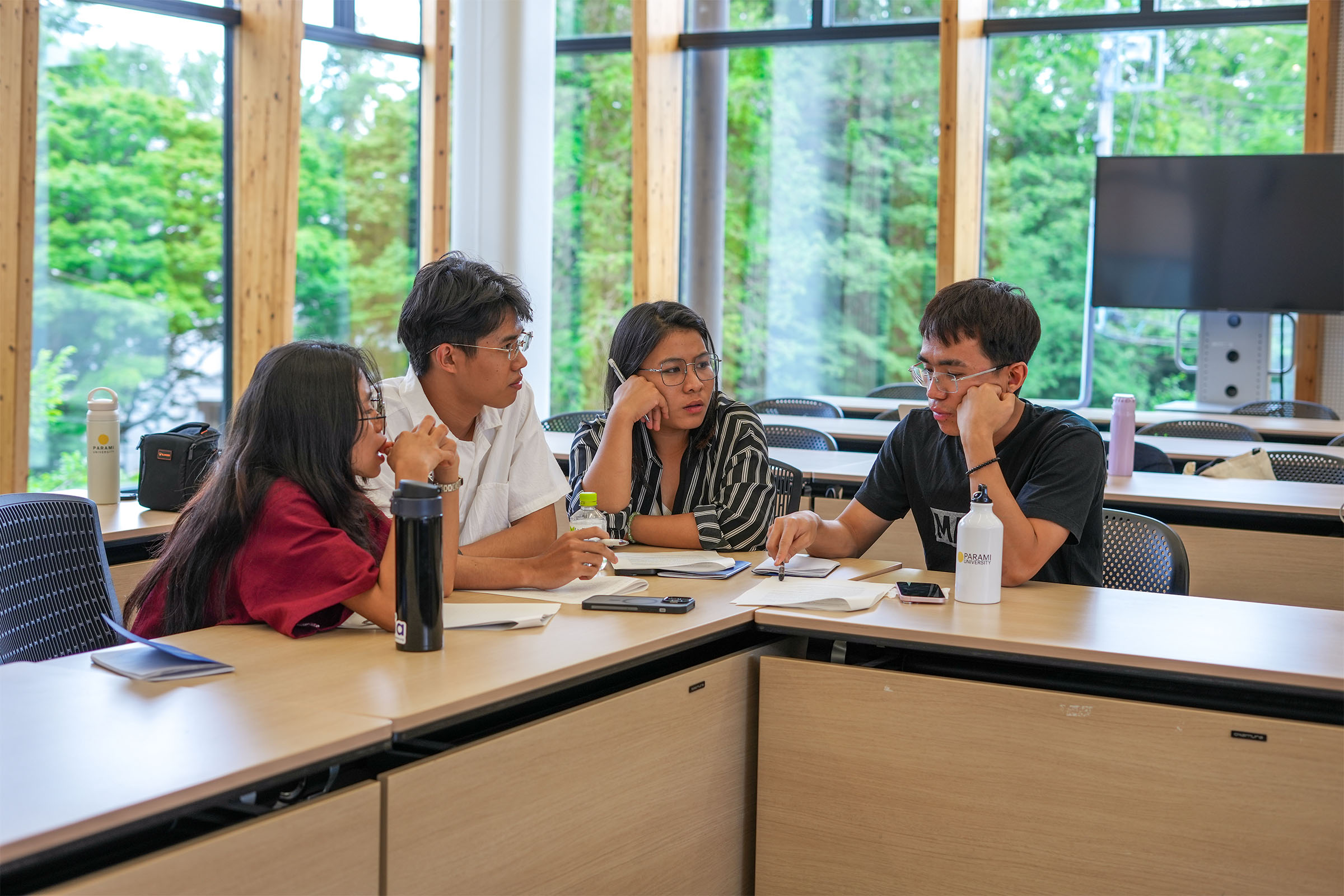
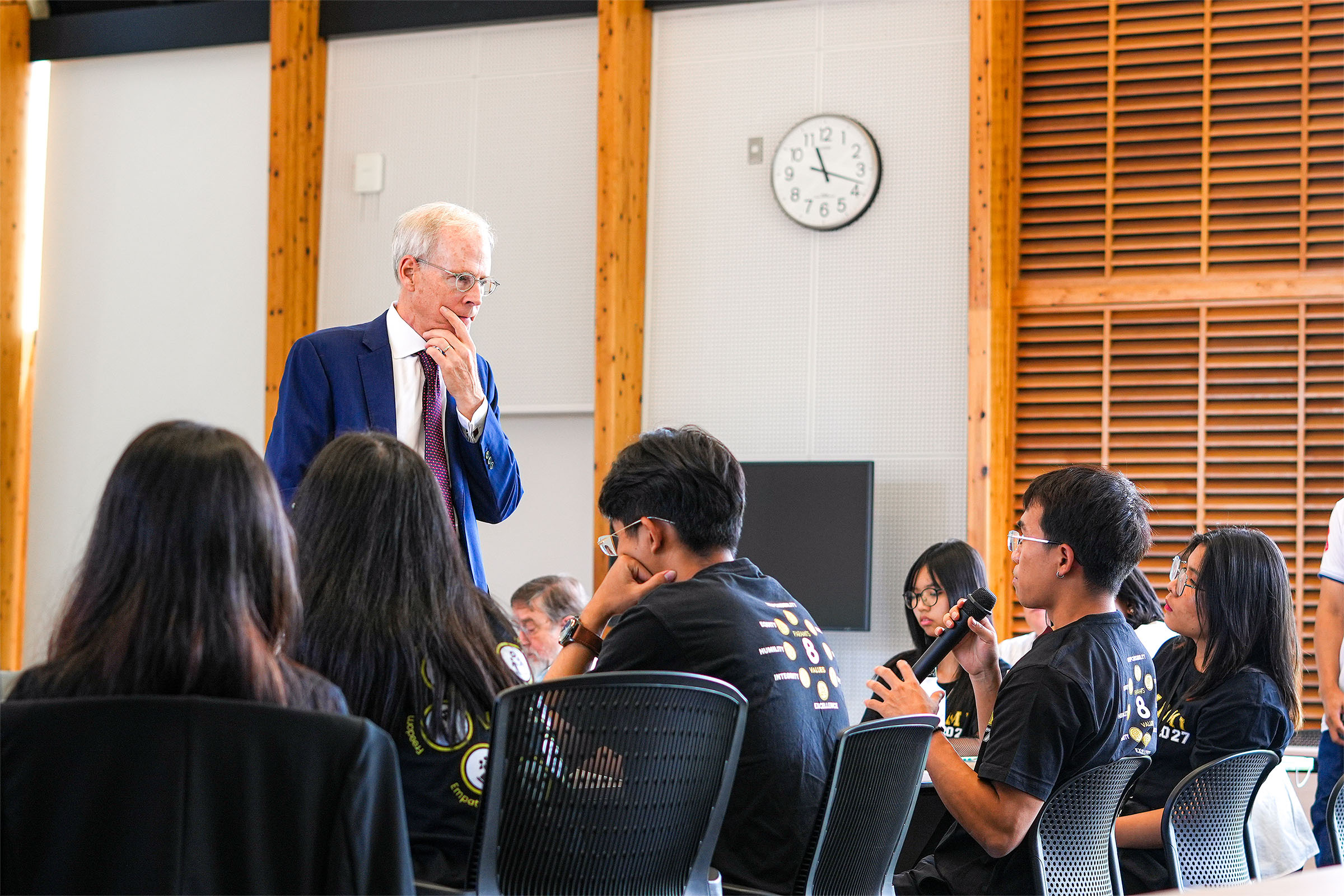
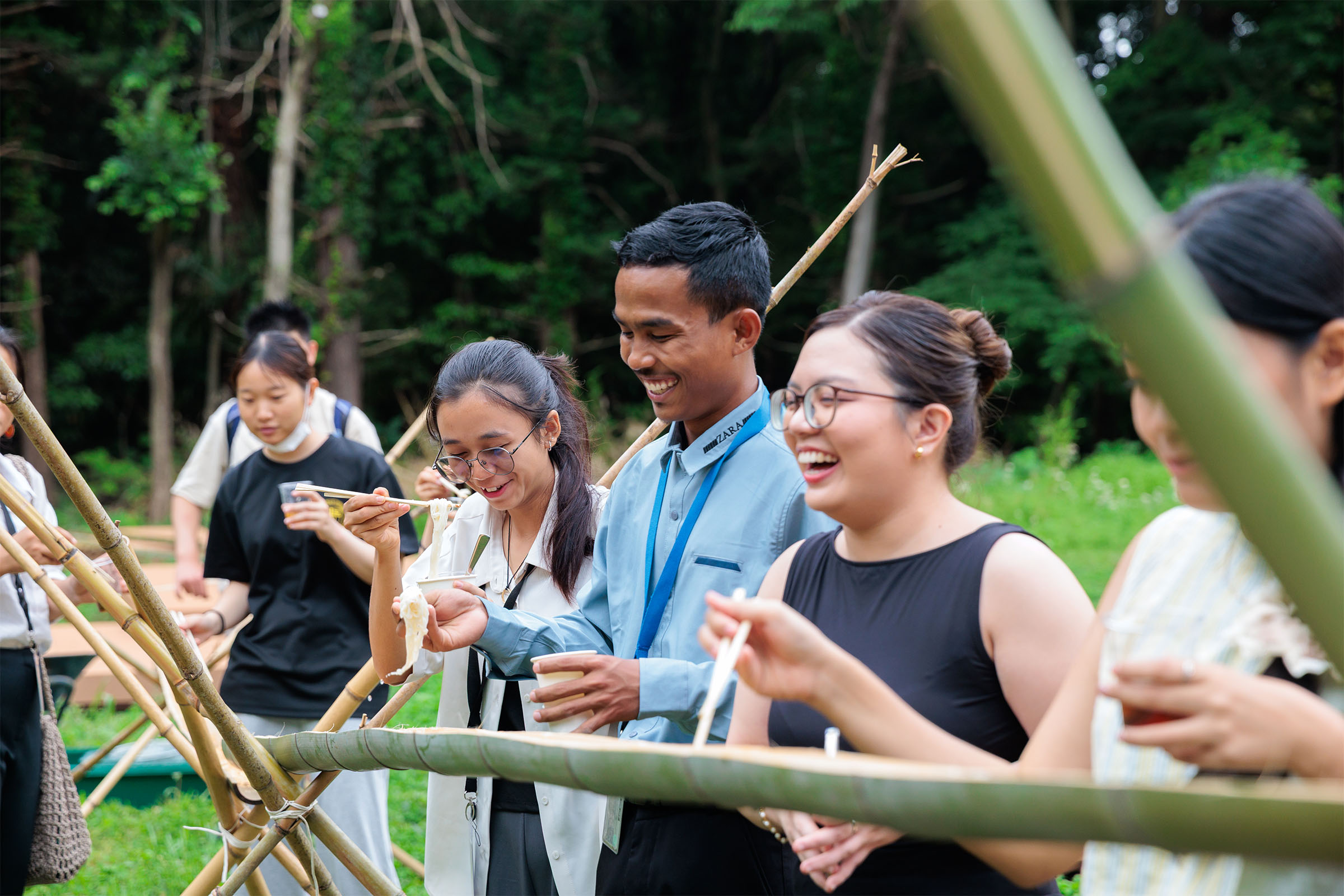
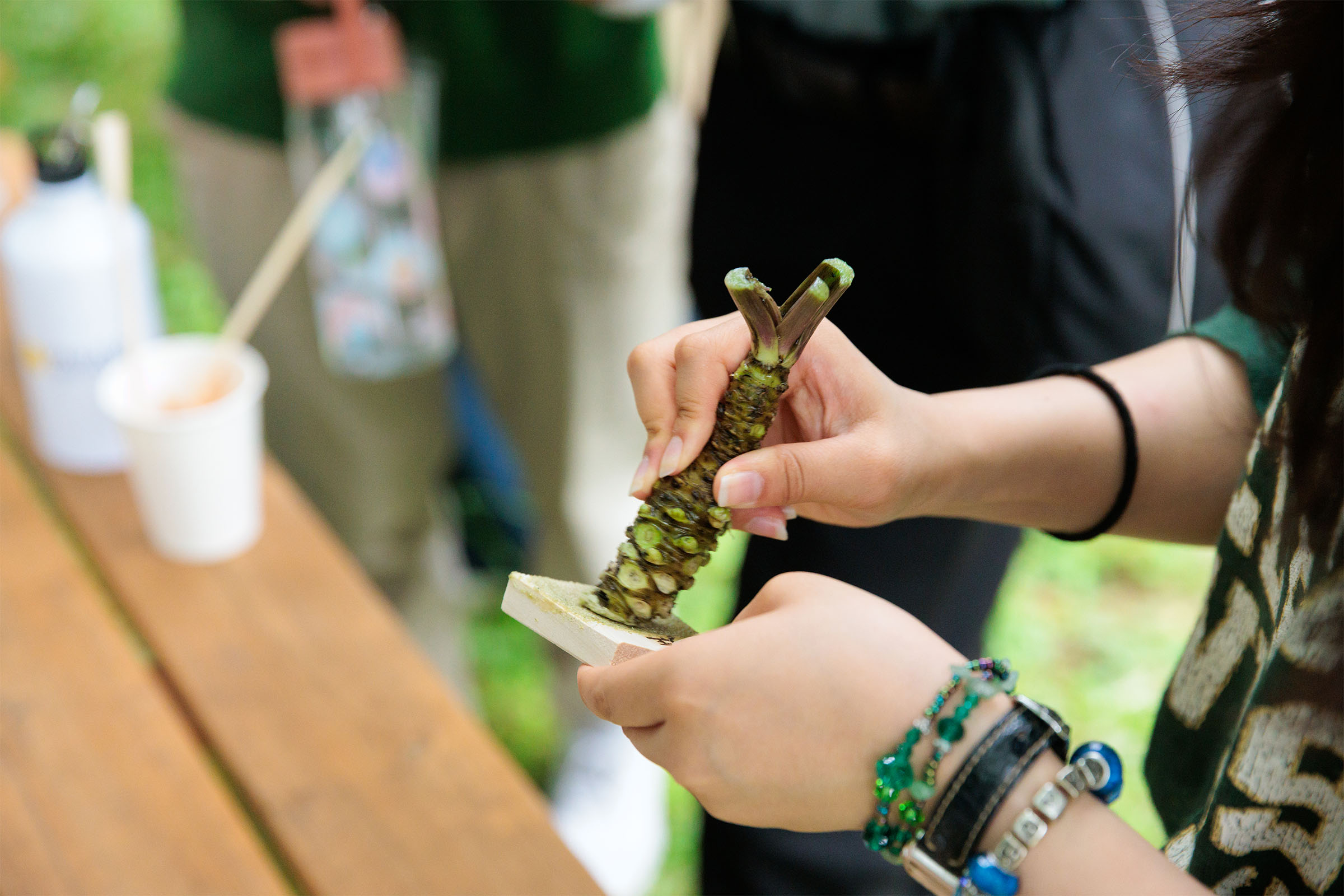
The students were encouraged to think critically about the challenges facing Myanmar, Japan, and the wider world, while considering the role that education, leadership, and civic engagement can play in addressing them. In addition to these weighty topics, the students bonded over treasured Japanese traditions such as wasabi harvesting, nagashi soumen, and tea ceremony, and they also enjoyed each other’s company in unstructured activities like visiting Kichijoji and having meals together at the youth hostel where the Parami students were staying. Photos by Yu Goto (below)
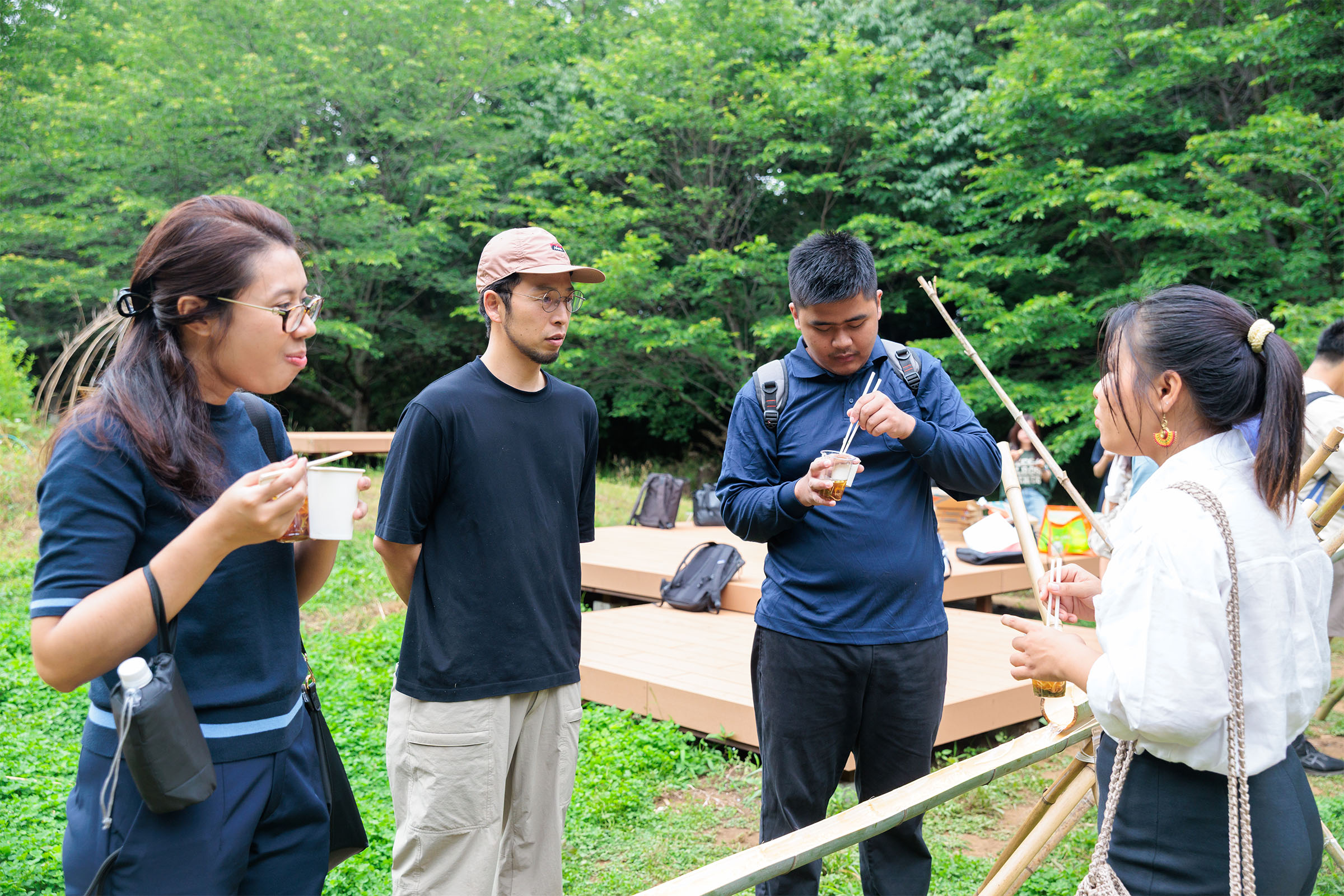
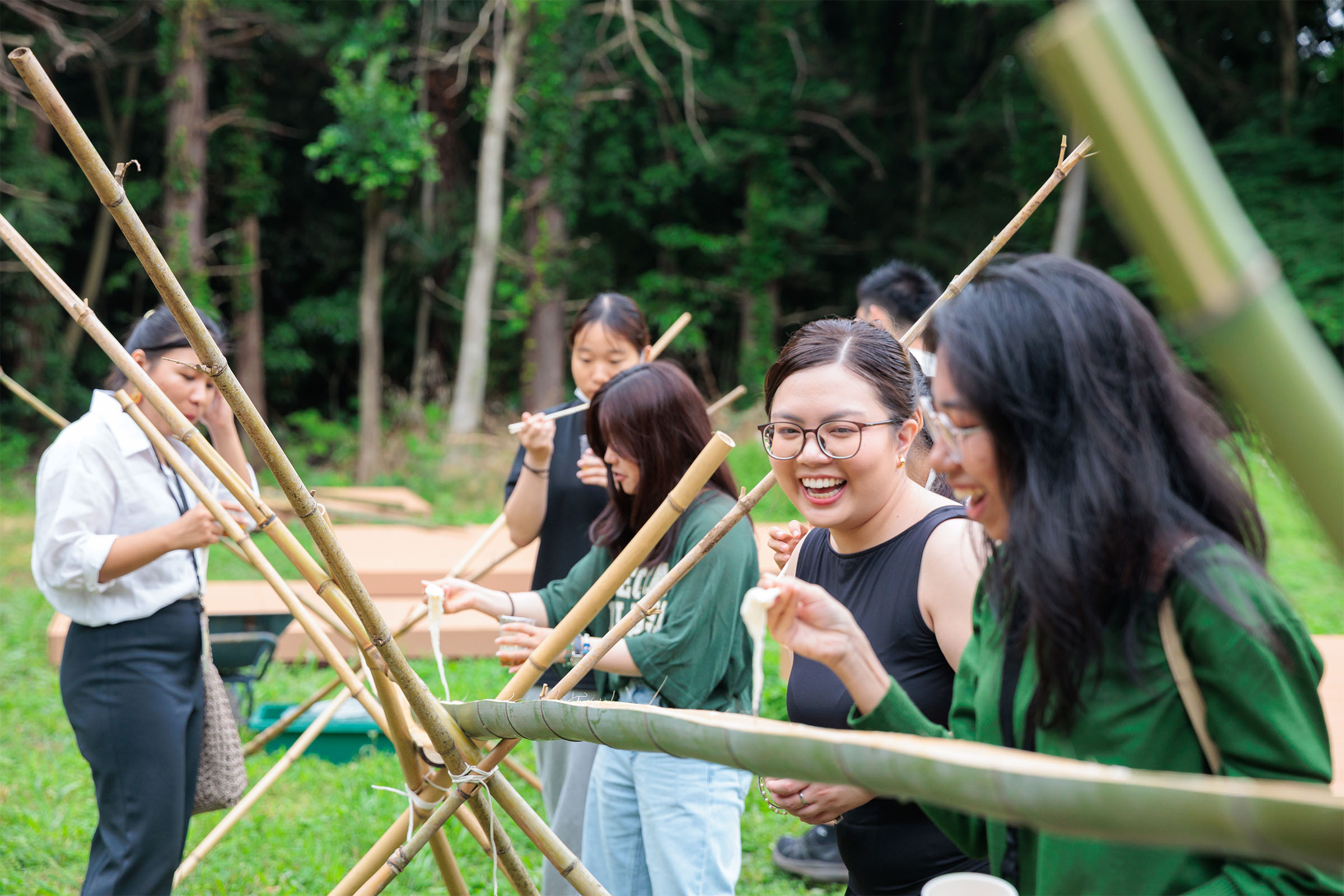
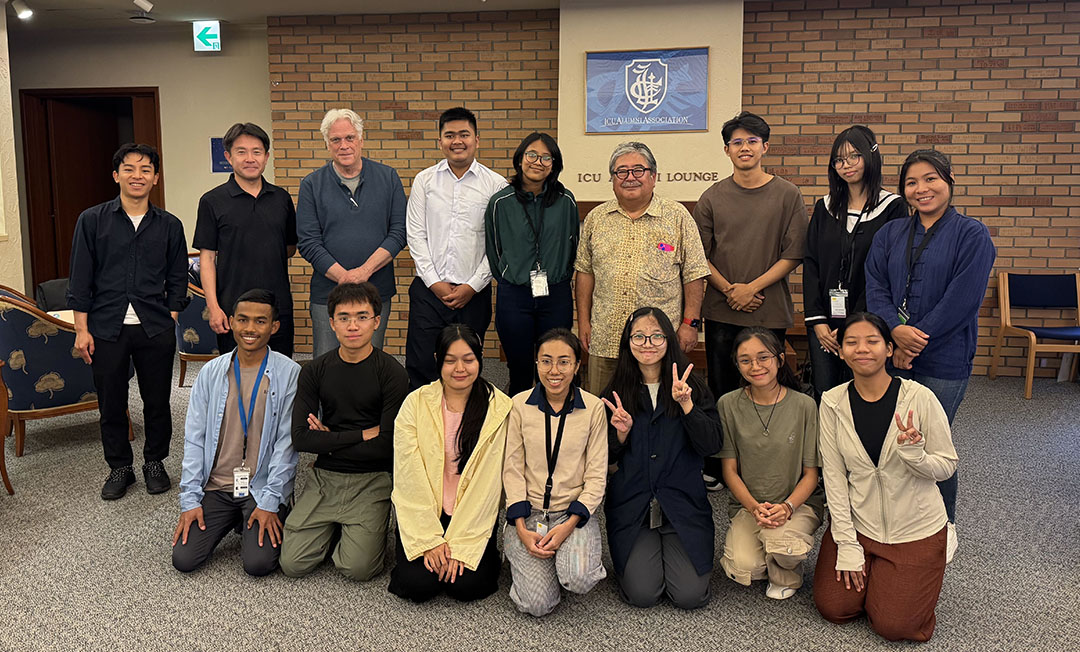
Beyond campus, they met nonprofit leaders, social entrepreneurs, educators, and members of Japan’s Myanmar community. These experiences provided opportunities not only to learn from others but also to share their own perspectives and experiences. Indeed, some of the program’s most meaningful moments emerged through dialogue. In classrooms, meetings, and informal conversations, students and hosts alike discovered how much they could learn from one another.

Nurturing Global Citizens
For JICUF, programs such as the Dwight Clark Cross-Cultural Program lie at the heart of our mission to nurture global citizens who contribute to the well-being of humanity. Global citizenship is about more than international experience. It is about recognizing our interconnectedness and accepting responsibility for the world we share. It requires the ability to listen across differences, engage complex challenges thoughtfully, and work collaboratively toward the common good. The students who participated in this year’s program demonstrated these qualities in remarkable ways. They approached new experiences with curiosity, engaged difficult questions with openness, and formed relationships grounded in mutual respect.
Photo by Kyoka Horiuchi (left)
The program also reflects JICUF’s commitment to expanding educational opportunities. Too often, transformative international experiences are limited to those with the resources and freedom to travel. Programs such as this one seek to expand access for talented young people whose potential may far exceed the opportunities available to them. At its core, this work is an affirmation of human dignity and human potential—a belief that every person deserves the opportunity to learn, grow, and contribute, regardless of circumstance.
Honoring Dwight Clark’s Legacy
The program is named in honor of Dwight Clark, the founder of Volunteers in Asia and an early supporter and board member of Parami University who was instrumental in the founding of the university. Dwight was a lifelong advocate for cross-cultural understanding, educational exchange, and leadership development who passed away earlier this year.
Throughout his life, Dwight believed that meaningful encounters across cultures could foster greater empathy, deeper understanding, and stronger communities. He understood that education is not simply about acquiring knowledge, but about developing the character and perspective necessary to contribute to a better world. That vision continues to animate the program that bears his name. Photos by Kyoka Horiuchi (right, below)


Although Dwight was not affiliated with JICUF or ICU during his lifetime, I had the unique opportunity to connect with him last year over Zoom. Even through our short conversation, I was inspired by Dwight’s warmth and compassion, and could sense that we shared a common mission.
By bringing together students from Myanmar and Japan, the Dwight Clark Cross-Cultural Program creates opportunities for young people to learn from one another, challenge assumptions, and build relationships that transcend national and cultural boundaries. In doing so, it honors Dwight’s belief in the transformative power of education and human connection.
Looking Forward
As the students returned home, they carried with them new friendships, new perspectives, and new ideas. More importantly, they carried a deeper understanding of the responsibilities that accompany education and leadership. In many ways, the students of Parami University today embody the same spirit that animated ICU’s earliest generations. Faced with uncertainty, they have chosen hope. Faced with adversity, they have chosen learning. And faced with the challenges of their time, they are preparing themselves not only for successful careers, but for lives of contribution and service. Photos by Kyoka Horiuchi (below)


In many ways, the students of Parami University today embody the same spirit that animated ICU’s earliest generations. Faced with uncertainty, they have chosen hope. Faced with adversity, they have chosen learning. And faced with the challenges of their time, they are preparing themselves not only for successful careers, but for lives of contribution and service.
More than seventy years ago, ICU was founded by individuals who believed that education could help build a more peaceful and humane world in the aftermath of war. Today, through partnerships such as this one, that belief continues to inspire a new generation of students who are preparing to become changemakers in their own societies and beyond.

As JICUF looks toward the future, we remain committed to creating opportunities that help young people develop the knowledge, perspective, skills and sense of responsibility needed to address the challenges of an increasingly interconnected world. The students who participated in this year’s Dwight Clark Cross-Cultural Program remind us why that work matters, and why investing in the next generation of global citizens remains one of the most powerful ways to build a more peaceful, just, and humane future.
Quotes from Participants

Khu David Ta Keh, Parami University Student (Photo by Kyoka Horiuchi)
“Over the past two weeks, I had the privilege of joining the Dwight Clark Cross-Cultural Program—supported by VIA Programs, Japan ICU Foundation, International Christian University, Parami University, and many generous partners—where I immersed myself in Japanese culture, values, and the kindness of its people. From attending lectures on reconciliation and educational development to experiencing wasabi harvesting, Japanese tea ceremony, and visiting emerging start-ups and social enterprises, the program offered more than knowledge—it offered cross-cultural dialogues, perspectives, and friendships, essential for today’s global issues.
Throughout the program, I have witnessed the power of Ibasho (居場所)—a space of belonging where people can truly be themselves physically, mentally, or spiritually—in empowering people to be inclusive, creative, open-minded, and fulfilled. I have also learned that the philosophy of Ibasho (居場所) is something we must intentionally build from day-to-day conversations to the institutional practices. In doing so, leadership plays an essential role in modeling the way, sharing visions, and encouraging the hearts of the people. I return with a question, “My Life for What?” that excites me to look forward to the possibilities of how Ibasho can be nurtured in Myanmar communities, where dignity, trust, and resilience matter more than ever. Perfect timing, I have the opportunity to share these reflections at Parami’s Global Footprints panel during Parami University’s graduation event!!”
Aung Ming Thu, Parami University Staff (Photo by Kyoka Horiuchi)
“For many of our PU students, it was their first time flying. For almost all of them, it was their first international experience. Watching them engage with new ideas, people, and environments and ask questions was a powerful reminder of how experiential learning programs like this can be transformative.”

Yu Goto, ICU Student:
“Through the exchange with the students of Parami University, I learned more than culture—I discovered each student’s passion and determination. One student who particularly inspired me was Su, a photographer who had only begun taking photos a year earlier. Despite her limited experience, her images captured not just moments but emotions, revealing the people and stories behind them. As fellow photographers, we shared a mutual respect, and through our interactions I came to realize that photography is not simply about creating images, but about communication, understanding, and connection. While the exchange was filled with joy, it was also bittersweet, knowing that many of my new friends faced an uncertain future upon returning to Myanmar. As I reflected on the friendships we formed, I found myself hoping and praying that their futures would be safe and protected.”
Kyoka Horiuchi, ICU Student:
“Getting to know the students from Parami was not only enjoyable but also deeply inspiring. Their passion for learning and determination to build a better future reminded me why I chose to pursue higher education and reinforced my belief in the strength and resilience of people. I am grateful to have formed friendships with them, and I believe these special connections will continue long into the future.”


