
Faculty Grant Spotlight: Professor Tomiko Yamaguchi
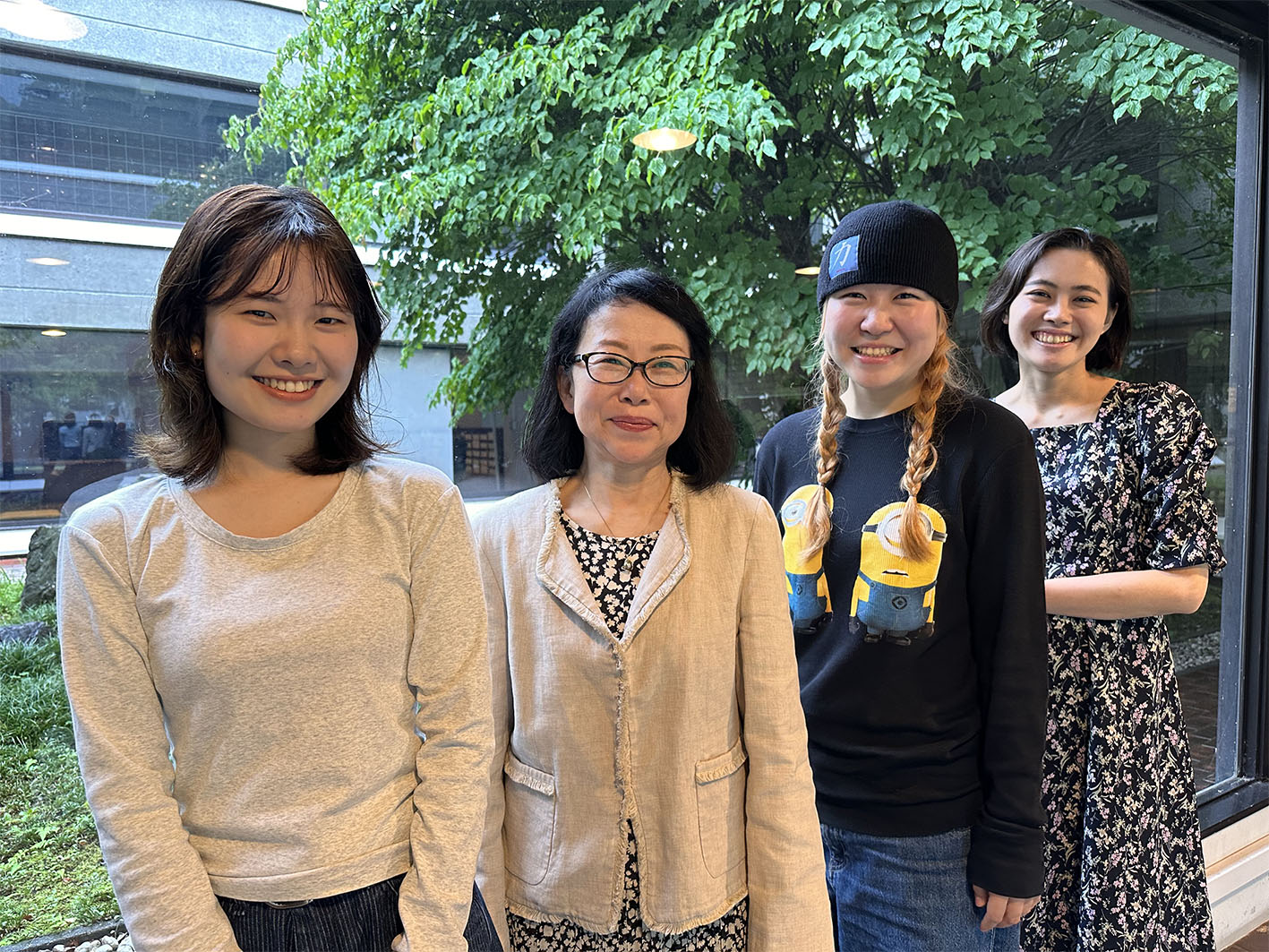
Faculty Grant Spotlight: Professor Tomiko Yamaguchi
Bridging Japan and India through Student-Led Fieldwork on Public Interest Technologies
During the Fall 2025 faculty grant cycle, Professor Tomiko Yamaguchi of ICU’s Department of Society, Culture, and Media was awarded a JICUF Faculty Grant. The grant enabled Professor Yamaguchi to bring a group of students with her to India in March of this year to conduct collaborative field research. The project, titled “Bridging Japan and India through Student-Led Fieldwork on Public Interest Technologies,” explored the concept of Public Interest Technologies (PIT)—technologies that contribute to social inclusion, environmental sustainability, and ethical governance—and examined how PIT initiatives are helping address local challenges in the Indian state of Odisha.
For this interview, Professor Yamaguchi was joined by three of the four ICU students who participated in the field research: Asahi Igarashi, Kae Takagi, and Ai Kimura. We began by asking Professor Yamaguchi about the project.
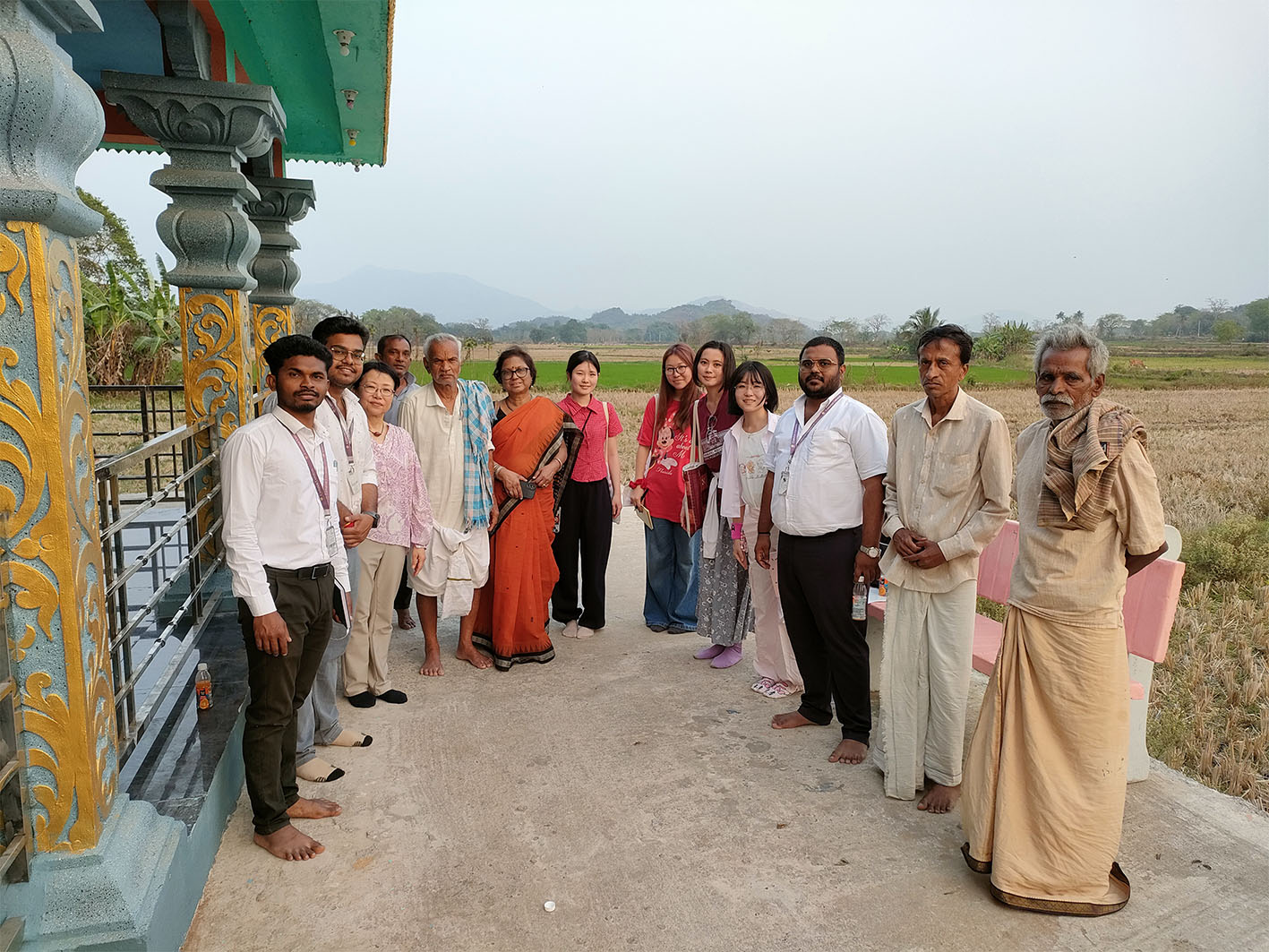
JICUF: Why did you choose India as the location for this project?
Professor Yamaguchi: My own doctoral field research was conducted in India, so I have longstanding connections there and an established professional network. One of the key goals of this project was to help students explore the relationship between science, technology, and society from multiple perspectives within a real-world setting. India provides a particularly compelling environment for this because rapid technological development and pressing social challenges are unfolding simultaneously. In particular, the Centurion University of Technology and Management (CUTM), which we visited, is actively engaged in connecting university research and technological innovation with solutions to local community issues. It offered students an opportunity to think about the relationship between universities and society in a context quite different from ICU.
The university’s work in areas such as agriculture, drone technology, and environmental issues also aligned well with our students’ interests. Through observations and interviews on site, students were able to experience firsthand how technology is perceived, adopted, and utilized within local communities.
JICUF: Did the fieldwork proceed as planned?
Professor Yamaguchi: Although there were some minor adjustments to interview schedules and other details, we were able to carry out the overall program largely as planned. The faculty and students at CUTM provided exceptional support throughout our visit, allowing us to conduct research across a wide variety of sites. Our ICU students did more than simply ask the interview questions they had prepared in advance. As they encountered new situations in the field, they asked additional questions, made careful observations, and documented their findings. Rather than simply following the planned itinerary, they adapted thoughtfully to each situation, which left a strong impression on me.
JICUF: What stood out to you about the students during the trip?
Professor Yamaguchi: Since this was the first visit to India for some of the students, I had been concerned beforehand about whether the water, food, and environment would agree with them. However, seeing everyone enjoying hearty meals from the very first day immediately put my mind at ease. Throughout the trip, the students were extremely proactive. More importantly, they were not simply enjoying the experience of traveling abroad. They were constantly asking questions such as, “Why was this technology introduced?” and “How do local people feel about it?” They approached the experience with genuine curiosity about its broader social context. The students divided responsibilities within their groups, working together on interviews, photography, and organizing their research notes. Even within a short period of time, it was rewarding to see them grow together as a team.
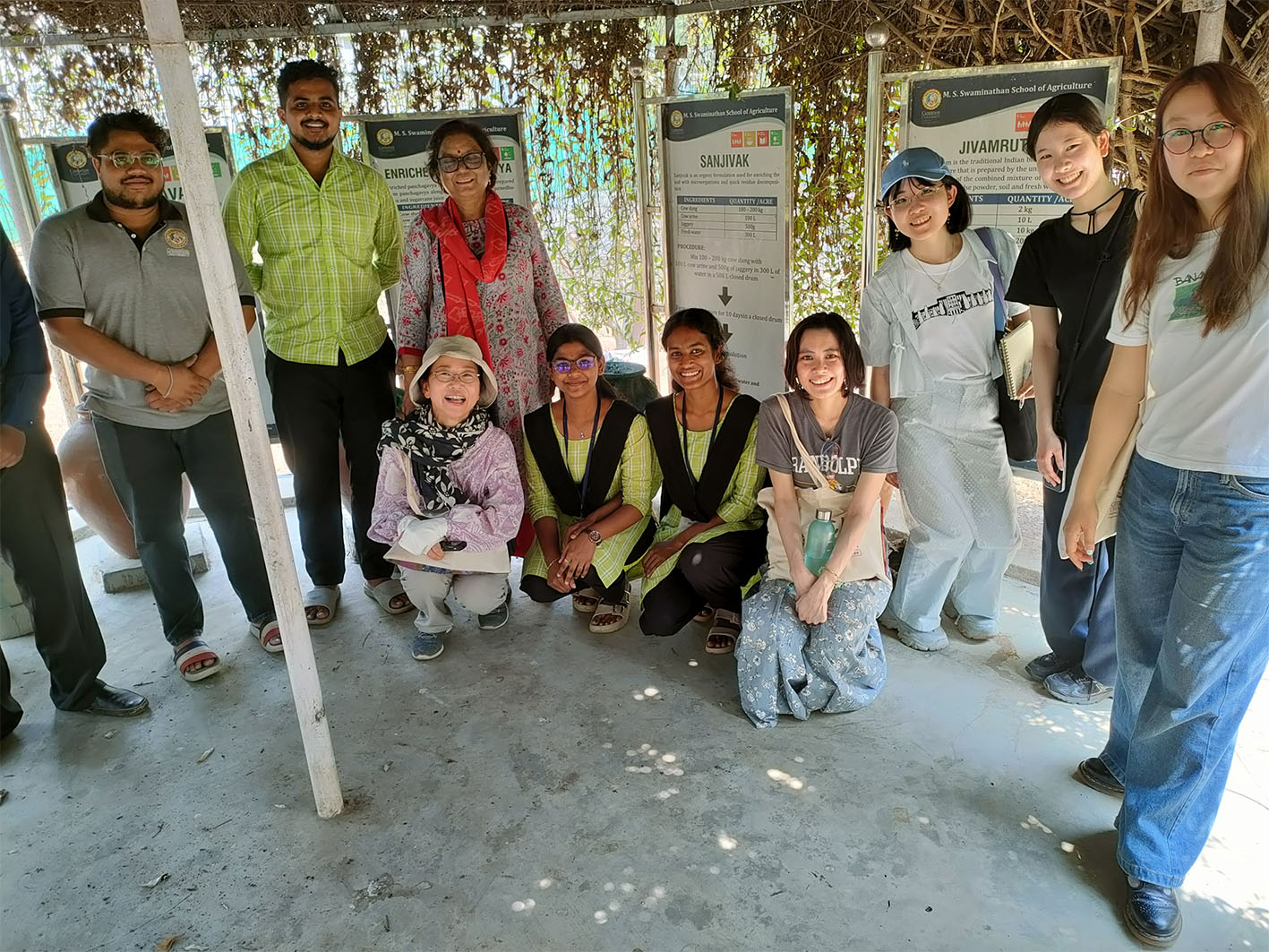
JICUF: Following the fieldwork, students were assigned to create case-based role-play scenarios that could be used as educational materials. What outcomes have emerged from that assignment?
Professor Yamaguchi: The goal of this assignment is not simply to treat the fieldwork as a travel experience, but to transform what students learned in the field into educational resources. Drawing on examples of technological implementation they observed in India, the students are collecting and analyzing data to develop case-based role-play scenarios that incorporate the perspectives of a range of stakeholders, including technology developers, local residents, government officials, and businesses. For example, the scenarios examine how discussions and tensions might emerge around agricultural drones and environmental technologies between those who prioritize efficiency and sustainability and those who are concerned about employment or the impact on local culture. Drawing on their interviews and observations, the students are creating materials that demonstrate to learners who have never visited India that there are many different perspectives on technology, rather than simply framing it as something to support or oppose.
As part of this collaborative effort, faculty members from CUTM visited Japan from June 7 to 12. On June 8, they participated in an SSRI seminar, and on June 12 the students who traveled to India with me presented their findings, which were jointly evaluated by faculty from CUTM and me. Following the completion of these activities, a faculty member from CUTM and I will work together to develop the final case-based role-play scenarios. The overall program is scheduled to conclude in December 2026.
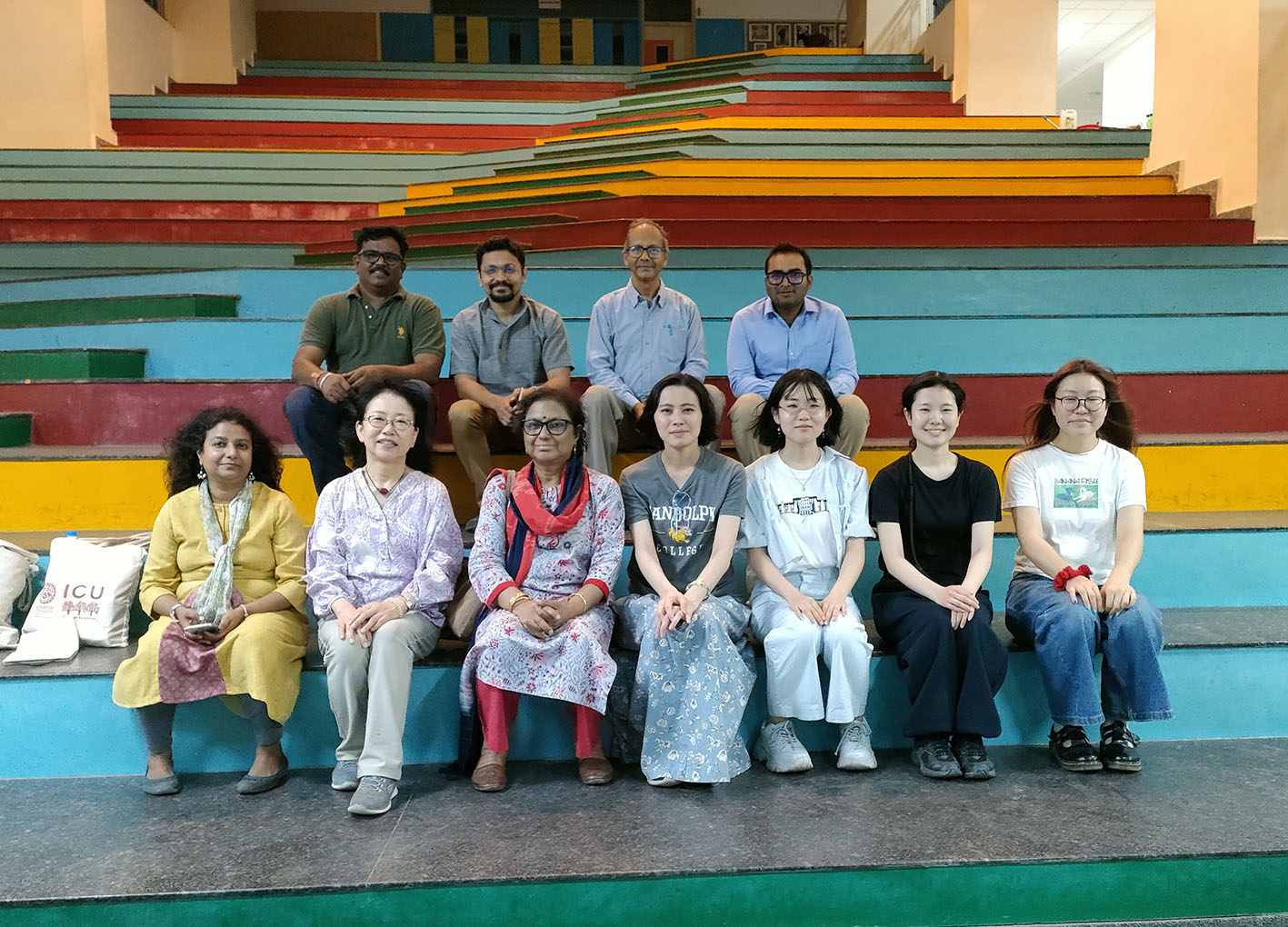
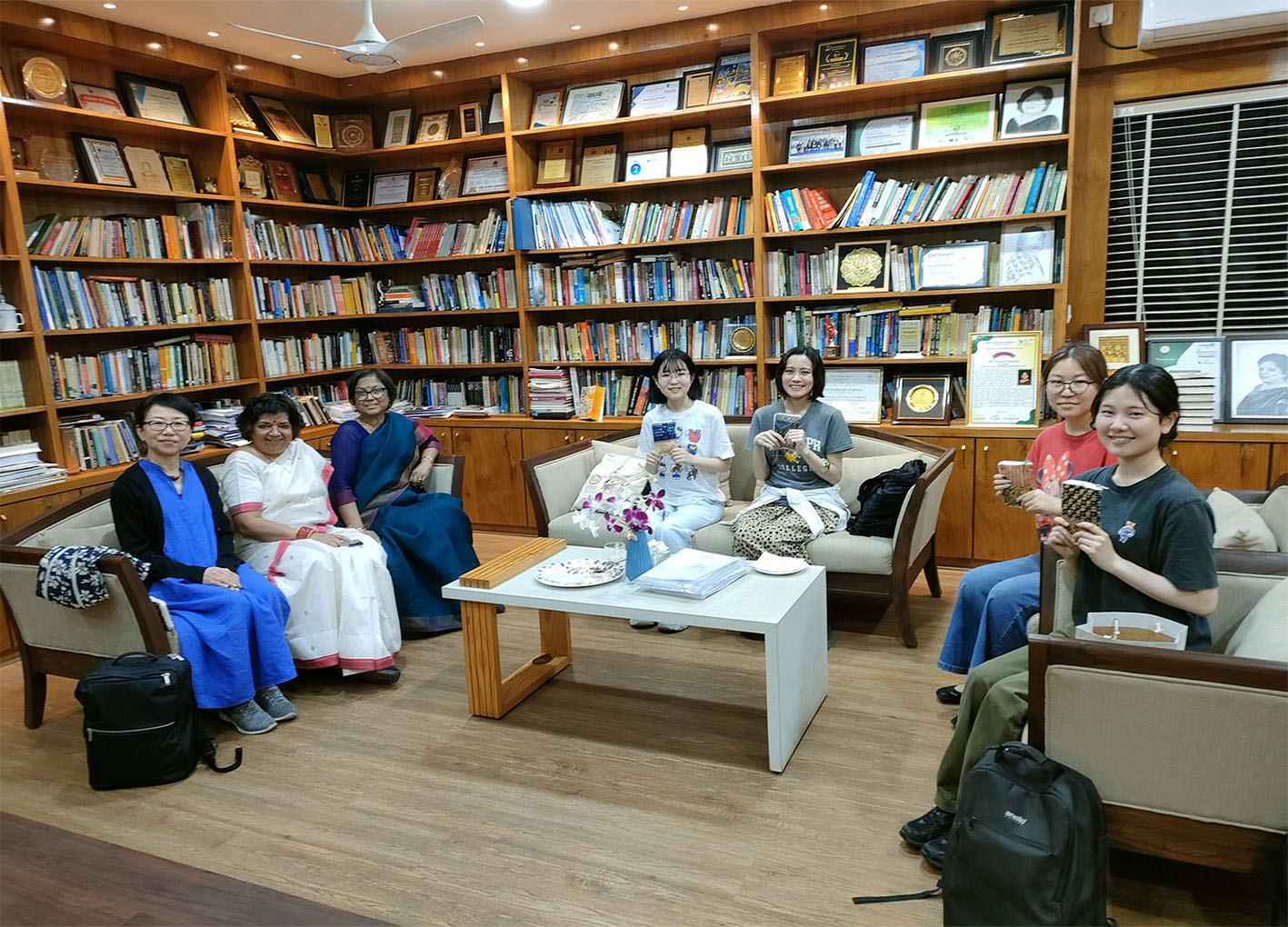
In addition to interviewing Professor Yamaguchi, we also asked the three participating students to reflect on their field research experience in India.
Asahi Igarashi:
“India is a fast-paced country full of energy. I felt that many of the things people create there may not always be visually polished, but they are highly practical and functional. Another thing that surprised me was the communication style. In Japan, we mainly communicate by email or text message, but in India the culture is very much ‘call first’ and ‘call immediately.'”
Kae Takagi:
“What impressed me most about India was how free and friendly everyone seemed to be. Perhaps because of its large population, I felt that technologies that are urgently needed in everyday life—such as solar panels and electric vehicles—are being developed and adopted at a remarkable pace.”
Ai Kimura:
“I first became deeply interested in India after participating in a service-learning program there, and that experience motivated me to apply for this field research project. I believe that India has a kind of order within its apparent chaos, grounded in a deep sense of faith. This time I stayed in a region that was completely different from where I had been before, which gave me a renewed appreciation for the country’s immense size and incredible diversity. I definitely want to visit India again!”


