JICUF Co-organizes a Symposium on Refugee Pathways to Japan at the International House of Japan
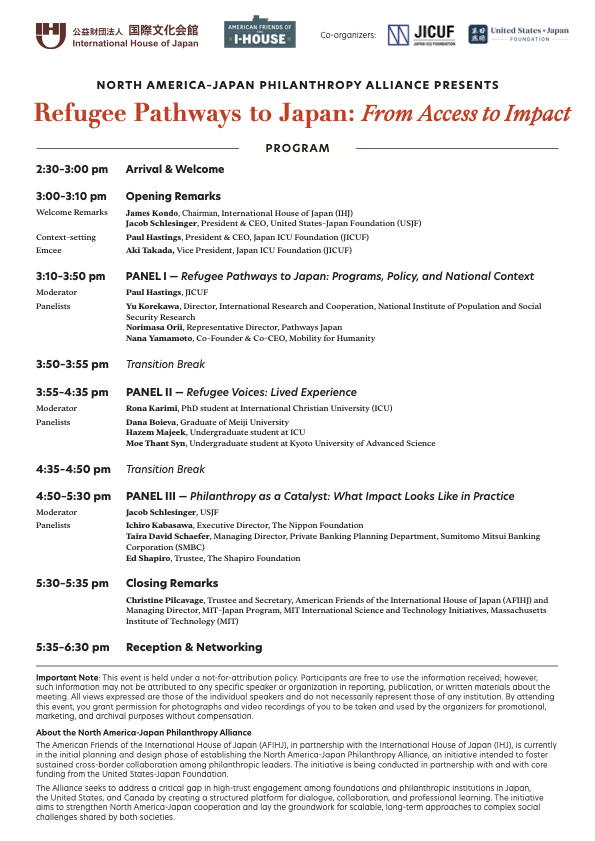
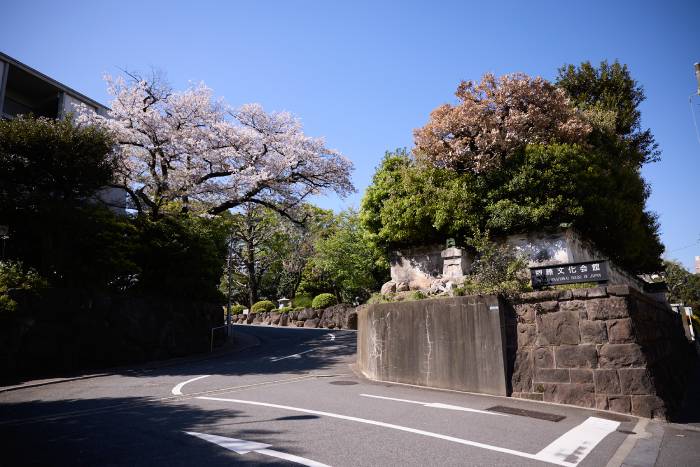
On April 8, JICUF co-organized a symposium titled “Refugee Pathways to Japan: From Access to Impact” at the International House of Japan (IHJ) in Tokyo. JICUF staff worked closely with IHJ, the American Friends of the International House of Japan (AFIHJ) and the United States-Japan Foundation (USJF) to plan and implement this event. The goal was to raise awareness about the current state of the admission of refugees to Japan through educational and employment opportunities, and contemplate the role of philanthropy in this space.
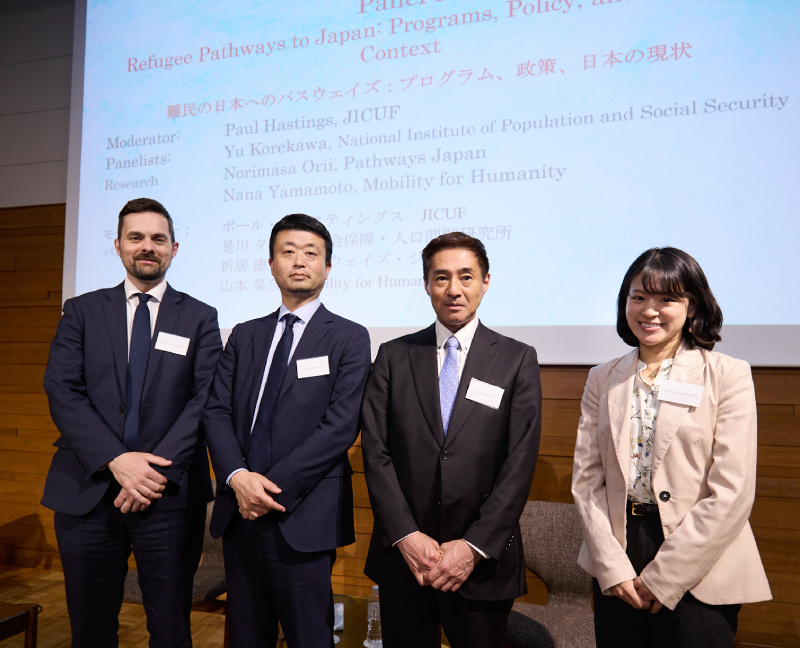
The event consisted of three panel discussions, each with a distinct focus. Panel I, moderated by JICUF President & CEO Paul Hastings, shed light on Japan’s demographic changes and the context for both education and labor mobility pathways for refugees in Japan. Panelists discussed how Japan’s immigration system is actually far more open to foreign workers compared to other developed countries, which presented an opportunity for refugees. Although there is the constraint that almost all employment opportunities are for those with at least a high school certificate, the need for workers, especially in rural areas, is only deepening. Against this backdrop, both education and labor pathways programs have developed in the last decade to complement government resettlement programs.
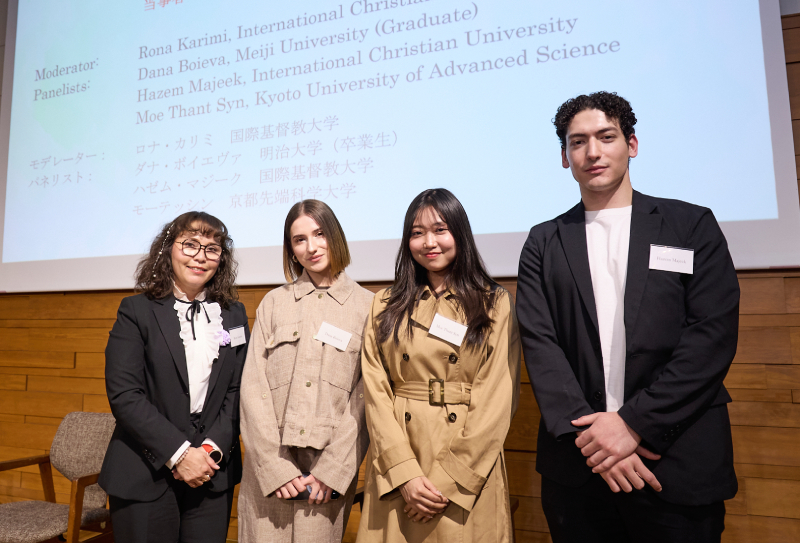
Panel II, moderated by ICU PhD student Rona Karimi introduced the lived experiences of three current and former students from Ukraine, Myanmar and Syria. The recurring theme was the importance of Japanese language acquisition. Without Japanese fluency, people with refugee backgrounds faced obstacles in their studies, job-hunting, and social integration. The panelists’ message that students from diverse backgrounds enriched Japanese society by bringing new perspectives and solutions to problems resonated with the audience.
Panel III was moderated by Jacob Schlesinger, President & CEO of USJF, focused on how philanthropy can serve as a catalyst for expanding pathways for refugees in Japan. The majority of developed countries are facing an aging population and low birth rates, and there are lessons to be learned from countries like Germany and Italy. With the U.S. currently closed to new admissions of refugees, Japan faces a unique opportunity and challenge to find a way to take in a much greater number of refugees and migrants in a pragmatic, non-politicized, and orderly manner. Philanthropists can play a critical role in funding pathways programs and supportive services.
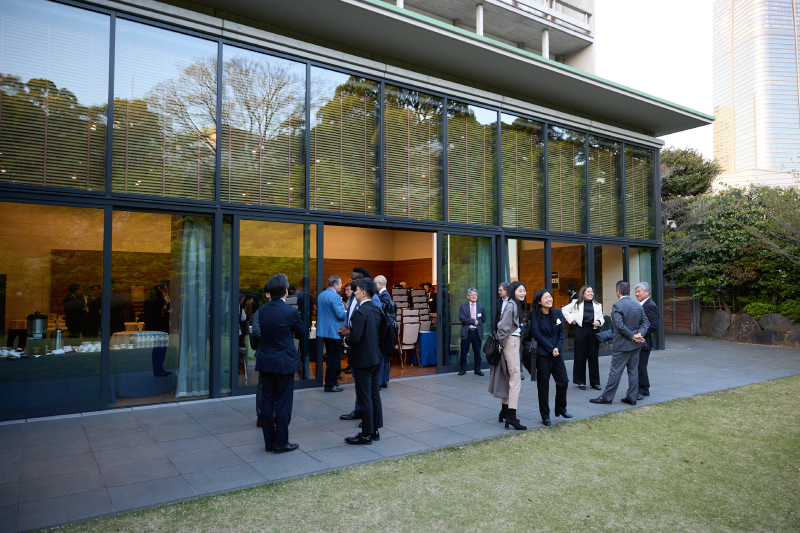
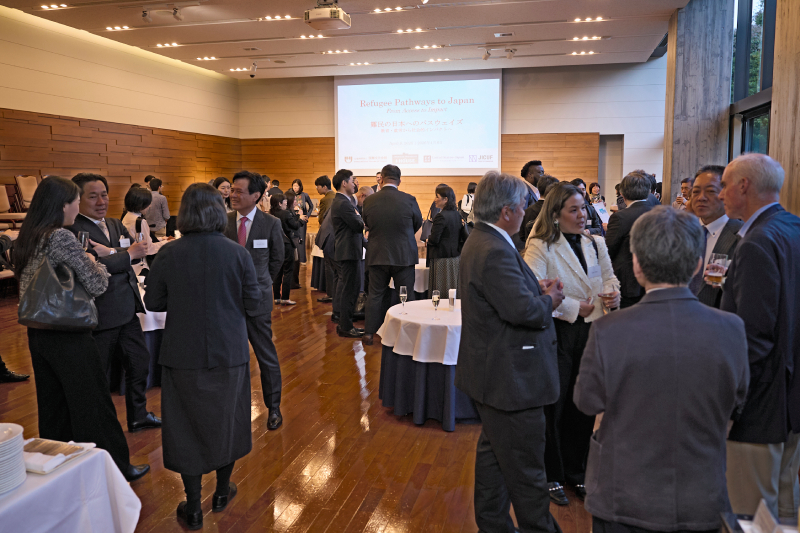

After the three panels, a reception was held in the same venue. With approximately 100 leaders in philanthropy, higher education, businesses, and governmental and civil society organizations in attendance, the event provided a valuable occasion to network and learn from each other. JICUF is hopeful that new partnerships and initiatives will emerge from this gathering.